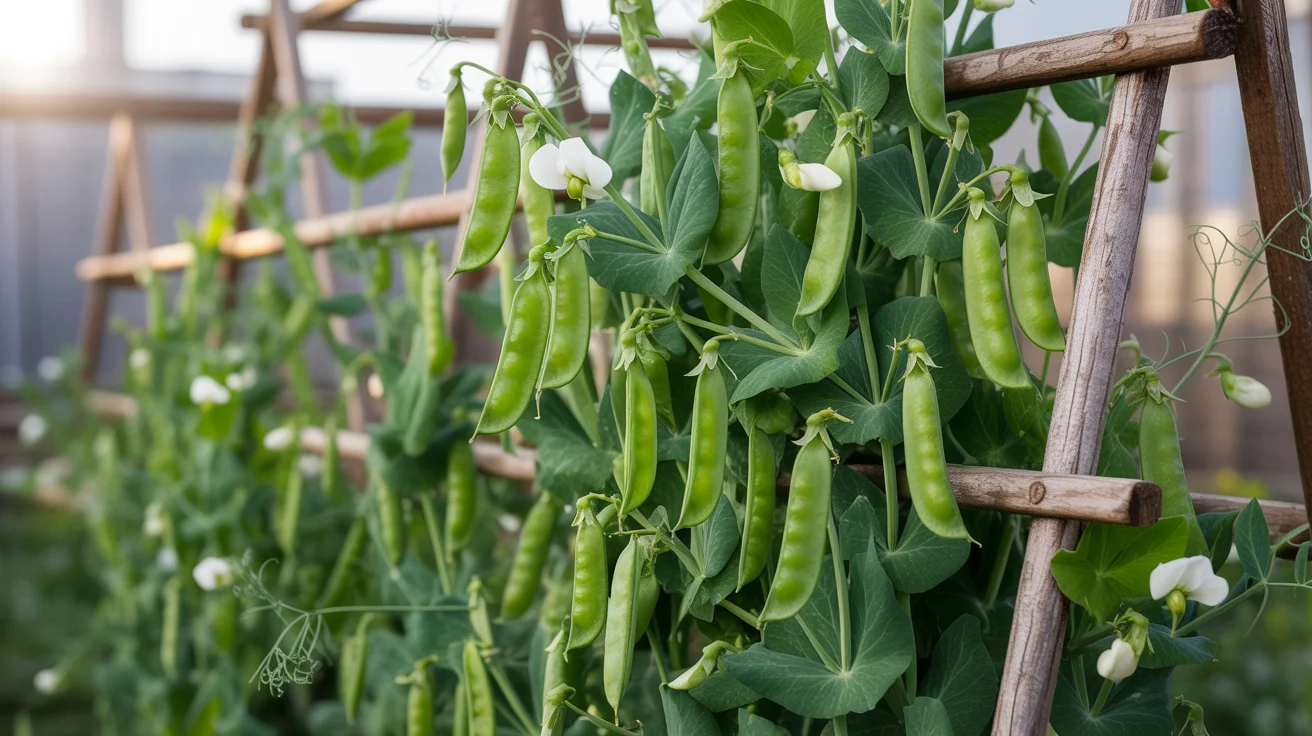
Planting Sugar Snap Peas: Best Time & Techniques for Big Yields
Sugar snap peas are a gardener's delight – a delicious, nutritious, and incredibly rewarding vegetable that brings a satisfying crunch to any meal. Unlike shelling peas, the entire pod of the sugar snap pea is edible, offering a sweet, crisp experience straight from the vine. Whether you're a seasoned green thumb or just starting your gardening journey, understanding when and how sugar snap peas are planted can unlock a season of abundant, fresh harvests right in your backyard. Their rapid growth and generous yields make them a perfect choice for adding homegrown goodness to your diet, elevating everything from salads to stir-fries.
When to Plant Sugar Snap Peas for Optimal Growth
Timing is paramount when it comes to cultivating successful sugar snap pea crops. These delightful legumes are cool-season annuals, meaning they thrive in cooler temperatures and are sensitive to excessive heat. This preference dictates the best planting windows for a bountiful harvest.
The primary time when
sugar snap peas are planted is in
early spring. As soon as the soil can be worked and the danger of hard frost has passed, typically 4-6 weeks before the last expected frost, it's time to get your seeds in the ground. The cool, moist conditions of early spring provide the ideal environment for germination and initial growth. Aim for soil temperatures consistently above 45°F (7°C).
For those in regions with longer growing seasons or looking to extend their harvest, a
late summer planting is also an excellent option. Sowing seeds in late summer allows the plants to establish themselves during the waning heat and mature in the cooler temperatures of fall, providing a second wave of fresh peas. Just be mindful of the first expected frost date in your area to ensure the plants have enough time to produce.
While direct sowing into the garden is a common practice for sugar snap peas, especially for those prioritizing ease, you can gain a significant advantage by
starting seeds indoors. Beginning your sugar snap pea seeds indoors 4-6 weeks before your last frost date gives them a head start, potentially leading to earlier harvests and a longer overall growing season. Once seedlings are established and outdoor conditions are favorable, carefully transplant them into your prepared garden bed. This method is particularly beneficial in areas with very short spring seasons or unpredictable weather.
Preparing Your Garden for a Bountiful Harvest
A successful sugar snap pea crop begins with meticulous garden preparation. These plants, while forgiving, will reward you exponentially for providing their preferred growing conditions.
Location, Location, Location: Sun and Drainage
First and foremost, choose a site that receives
full sun exposure – ideally at least 6-8 hours of direct sunlight per day. Adequate sunlight is crucial for robust growth and plentiful pod production. Equally important is
well-draining soil. Sugar snap peas absolutely despise "wet feet," meaning their roots should never sit in waterlogged conditions, as this can lead to rot and disease. If your garden soil tends to be heavy clay, consider amending it or planting in raised beds.
The Perfect Soil Blend
Sugar snap peas thrive in soil that is rich in
organic matter. Before planting, dedicate time to preparing your soil. Start by thoroughly clearing the area of any weeds or rocks. Then, generously amend the soil with mature compost, well-rotted manure, or other organic amendments. This enriches the soil, improves drainage, and enhances its water-holding capacity.
The ideal soil pH for growing sugar snap peas falls between
6.0 and 7.5, which is slightly acidic to neutral. If you're unsure about your soil's pH, a simple soil test can provide valuable insights and guide any necessary adjustments. For a deeper dive into creating the perfect environment, refer to our guide on
Grow Sweet Sugar Snap Peas: Ideal Soil, Sowing, & Support.
Selecting and Preparing Your Seeds
The quality of your seeds directly impacts your harvest. Always opt for
high-quality sugar snap pea seeds from a reputable supplier. Look for varieties specifically labeled for "edible pod peas" and check for a good germination rate.
Before planting, a crucial step for many gardeners is to
soak the seeds overnight in lukewarm water. This softens the hard outer shell, signals the embryo that it's time to grow, and can significantly accelerate germination. Another highly recommended practice, particularly beneficial for legumes like peas, is
inoculation with rhizobia bacteria. These beneficial bacteria form a symbiotic relationship with pea roots, enhancing their ability to fix atmospheric nitrogen into a usable form for the plant. This natural fertilization boosts growth and yield, often reducing the need for external nitrogen fertilizers. Pea inoculant is readily available at most garden centers and simply involves coating your pre-soaked seeds before planting.
Planting Techniques for Big Yields
Once your garden bed is prepared and your seeds are ready, it’s time for the exciting part: putting those seeds in the ground.
Sowing Depth and Spacing
When
sugar snap peas are planted, precision in depth and spacing contributes significantly to healthy growth and air circulation. Plant your seeds about
1 to 2 inches deep and space them approximately
2 to 3 inches apart within the row. If you're planting multiple rows, ensure they are 18 to 24 inches apart to allow for mature plant spread and easy access for harvesting. Proper spacing prevents overcrowding, which can lead to fungal diseases and reduced yields.
Essential Support Systems
Sugar snap peas are natural climbers, and providing them with a sturdy support system is crucial for a big yield. While some varieties are semi-bush and can sprawl, most sugar snap peas benefit immensely from vertical support. This practice:
- Maximizes space: especially in small gardens or raised beds.
- Improves air circulation: reducing the risk of powdery mildew and other fungal diseases.
- Keeps pods clean: preventing contact with soil, which can lead to rot or pest issues.
- Makes harvesting easier: as pods are held at an accessible height.
Install trellises, netting, chicken wire, or even stakes with string at the time of planting so the young plants have something to grab onto as soon as they emerge.
Watering and Feeding
Consistent moisture is vital for sugar snap peas, particularly during germination and when pods are forming. Keep the soil consistently moist but never waterlogged. Deep, infrequent watering is generally better than shallow, frequent watering, encouraging deeper root growth. Avoid overhead watering late in the day, as this can promote fungal diseases.
Given their nitrogen-fixing capabilities (especially if inoculated), sugar snap peas typically don't require heavy fertilization. An initial application of balanced, slow-release organic fertilizer at planting, or simply enriching the soil with compost, is often sufficient. If plants appear to be struggling, a dose of compost tea can provide a gentle boost.
For beginners looking for a more in-depth walkthrough, our
Beginner's Guide to Planting Sugar Snap Peas for Success offers step-by-step advice.
Ongoing Care and Harvesting for Continued Production
Once your sugar snap pea plants are growing vigorously, ongoing care ensures a prolonged and productive harvest. Keep an eye out for common pests like aphids, which can be managed with a strong spray of water or insecticidal soap, and diseases like powdery mildew, which can be mitigated by good air circulation and appropriate watering.
Regular harvesting is key to encouraging your plants to produce more pods. Sugar snap peas are typically ready to harvest when the pods are plump, firm, and bright green, but still tender and sweet. Don't wait until they are too swollen or yellow, as they can become starchy. Pick them frequently, every 1-2 days, to signal the plant to continue producing more flowers and, consequently, more delicious peas.
Conclusion
Growing sugar snap peas is an immensely satisfying endeavor, offering the crisp sweetness of homegrown produce with relatively little fuss. By understanding the best time for planting – early spring or late summer – and employing sound techniques for soil preparation, seed selection, and providing essential support, you can ensure your garden yields an abundant harvest. Remember, happy roots make for happy shoots, and when
sugar snap peas are planted with care, they will reward you with bowls full of fresh, crunchy, edible pods, making your gardening efforts truly worthwhile. Get ready to enjoy the freshest, most delicious sugar snap peas you've ever tasted!