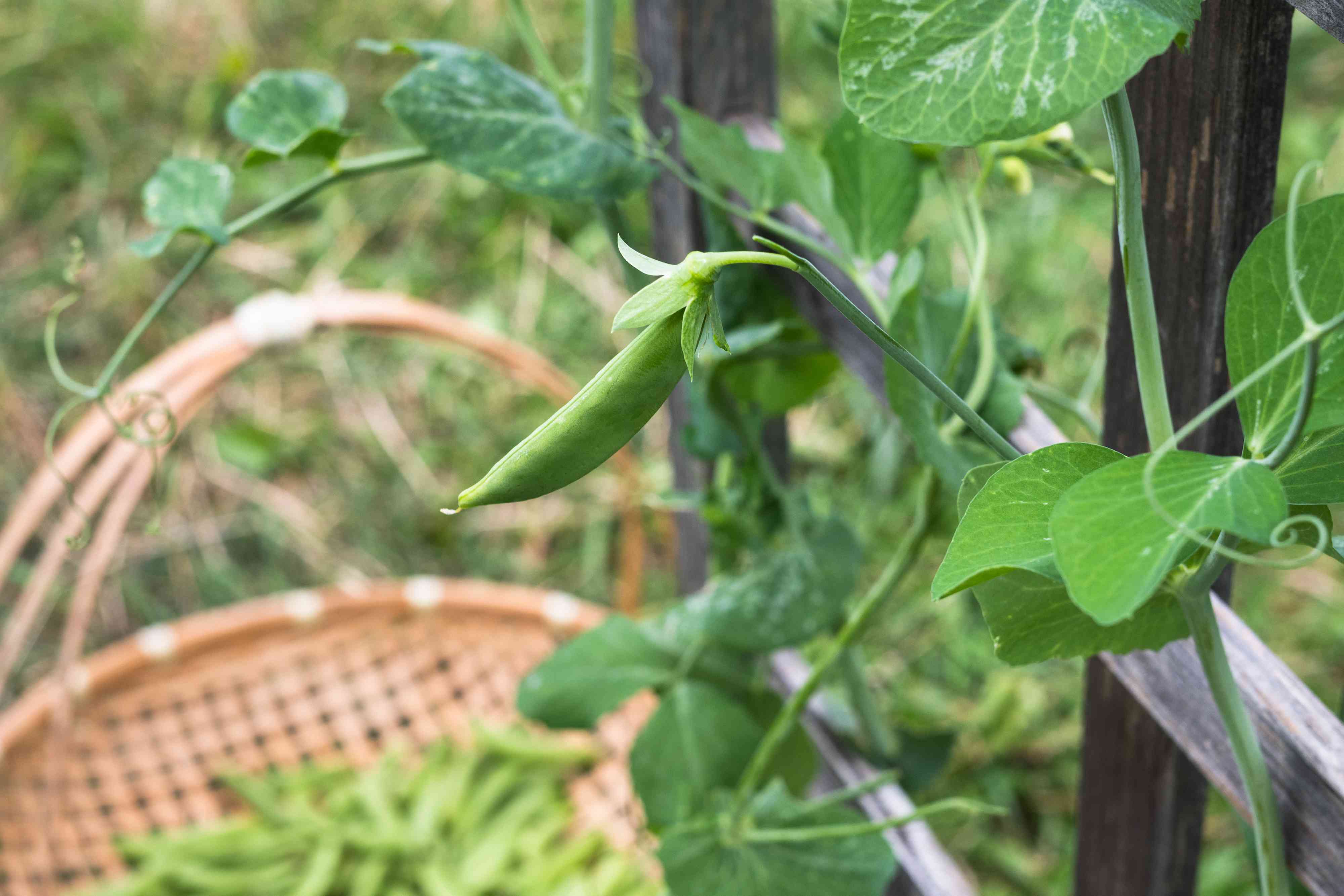
Unlock the Sweet Crunch: Your Guide to Growing Sugar Snap Peas
There's nothing quite like the crisp, sweet explosion of a freshly picked sugar snap pea. These delightful, edible-podded legumes are a true garden favorite, celebrated for their satisfying crunch and easy-to-grow nature. Whether you're a seasoned green thumb or just dipping your toes into the world of homegrown produce, cultivating sugar snap peas offers quick rewards and a delicious addition to your culinary repertoire. They are remarkably beginner-friendly, fast-growing, and incredibly productive, making them a perfect choice for backyard gardens, raised beds, and even containers. This comprehensive guide will walk you through everything you need to know, from preparing the ideal soil to ensuring proper support, so you can enjoy a bountiful harvest of these springtime (and fall!) treasures.Crafting the Perfect Soil for Thriving Sugar Snap Peas
The foundation of any successful garden begins with healthy soil, and sugar snap peas are no exception. These plants flourish in a specific soil environment that caters to their unique needs.The Essentials: Well-Draining and Rich in Organic Matter
Sugar snap peas demand well-draining soil. This is crucial because while they need consistent moisture, they absolutely detest "wet feet" – waterlogged conditions that can quickly lead to root rot and plant demise. Clay soils, which tend to hold too much water, may need significant amendment, while sandy soils, which drain too quickly, might need help retaining moisture.
Equally important is a soil rich in organic matter. Incorporating generous amounts of compost, well-rotted manure, or other organic materials before planting vastly improves soil structure. Organic matter helps sandy soils retain water and nutrients, and it breaks up heavy clay soils, enhancing drainage and aeration. It also provides a slow-release source of essential nutrients, feeding your plants throughout their growth cycle.
Ideal pH and Pre-Planting Preparation
Sugar snap peas prefer a slightly acidic to neutral soil pH, ideally ranging between 6.0 and 7.5. If you're unsure about your soil's pH, a simple soil test kit, readily available at most garden centers, can provide invaluable insights. Based on the results, you can amend your soil: add lime to raise pH or sulfur to lower it, always following product instructions carefully.
Before any seeds touch the ground, prepare your planting area. Clear away any weeds, rocks, or debris. Loosen the soil to a depth of at least 8-12 inches using a fork or tiller. This aeration helps roots establish easily and improves overall drainage. Now is the perfect time to work in that beneficial compost, ensuring it’s thoroughly mixed throughout the planting bed.
When and How Sugar Snap Peas Are Planted for Optimal Growth
Timing and technique are crucial when it comes to sowing these sweet legumes. Understanding precisely *when and how sugar snap peas are planted* is key to a robust and productive season.The Perfect Planting Window
Sugar snap peas are cool-season crops, meaning they thrive in cooler temperatures and can tolerate a light frost. The best time to plant them is in early spring, as soon as the soil can be worked and is no longer frozen solid. This typically means 4-6 weeks before your region's last expected frost date. For those in warmer climates or looking for a continuous harvest, a late summer planting can yield a delicious fall crop, provided temperatures remain mild enough for them to establish before intense heat or deep cold sets in.
Selecting and Preparing Your Seeds
Start with high-quality seeds from a reputable supplier. Look for varieties specifically labeled for "edible pod peas" to ensure you get that characteristic sweet crunch. High germination rates and disease-free seeds are non-negotiable for a successful start.
To give your sugar snap pea seeds a significant head start, consider soaking them in room-temperature water overnight (8-12 hours) before planting. This softens the tough outer shell, signaling the embryo inside to awaken and significantly speeding up germination. Drain the seeds just before planting.
An extra step that can boost your pea plants' health and vigor is seed inoculation. Pea plants are legumes, meaning they have a symbiotic relationship with specific soil bacteria called *Rhizobia*. These bacteria form nodules on the pea roots, converting atmospheric nitrogen into a form the plant can use – a process known as nitrogen fixation. This natural fertilization reduces the need for external nitrogen fertilizers. You can purchase pea inoculant (often a fine powder) at most garden centers or online. Simply moisten your soaked seeds slightly and toss them with the inoculant powder just before planting, ensuring an even coating.
Sowing Your Seeds: Direct vs. Indoor Start
Most gardeners choose to sow sugar snap pea seeds directly into the garden bed, and this is often the simplest and most successful method given their rapid growth. Once the soil is prepared and the threat of severe frost has passed, plant seeds 1-2 inches deep and space them 2-3 inches apart within the row. If planting multiple rows, leave 18-24 inches between rows to allow for good air circulation and easier access for harvesting.
While direct sowing is common, starting seeds indoors 4-6 weeks before the last frost date can provide a head start, especially in regions with short growing seasons or unpredictable spring weather. Plant seeds in biodegradable pots or trays, then transplant them carefully to minimize root disturbance once the outdoor conditions are favorable. For more detailed insights into timing and techniques, explore our Planting Sugar Snap Peas: Best Time & Techniques for Big Yields guide.
Supporting Your Sugar Snap Pea Plants for Abundant Harvests
Why Support is Crucial
Without support, these ambitious vines will sprawl across the ground, leading to several issues:
- Reduced Air Circulation: Plants become dense, increasing the risk of fungal diseases.
- Pest Infestations: Sprawling foliage provides ideal hiding spots for pests.
- Dirty Pods: Pods resting on the soil are more prone to dirt and rot.
- Difficult Harvesting: Finding peas tangled in a ground mess is a chore.
- Wasted Space: Vertical growth maximizes yields in smaller garden plots.
Types of Support Systems
Install your support system at the time of planting or very shortly after, so the young tendrils have something to grasp onto from the start. Some popular options include:
- Trellises: Classic garden structures made of wood, metal, or bamboo.
- Netting: Pea netting, with its wide grid, is an excellent and cost-effective solution, providing plenty of attachment points.
- Stakes and Twine: Simple stakes with horizontal lines of twine can create a ladder-like support.
- Tomato Cages: While designed for tomatoes, their sturdy structure can also support climbing peas.
Beyond Planting: Essential Care and Harvesting Tips
Once your sugar snap peas are planted and supported, consistent care will ensure a thriving garden and a generous yield.Watering and Fertilization
Maintaining consistent soil moisture is vital, especially during flowering and pod development. Aim for about 1 inch of water per week, either from rainfall or irrigation. Feel the soil; if the top inch or two feels dry, it's time to water. Avoid overhead watering if possible, as wet foliage can encourage disease. Drip irrigation or soaker hoses are ideal. Never allow the soil to become waterlogged, as this can still lead to root issues.
Thanks to their nitrogen-fixing capabilities (especially if inoculated), sugar snap peas are generally light feeders. If your soil was amended with organic matter, additional fertilization might not be necessary. However, if plants show signs of nutrient deficiency (e.g., yellowing leaves), a balanced, organic liquid fertilizer can provide a gentle boost. Avoid high-nitrogen fertilizers once plants are established, as this can promote leafy growth at the expense of pod production.
Pest and Disease Management
Healthy, vigorous plants are your best defense against pests and diseases. Ensure good air circulation, proper watering, and regular garden hygiene. Common pea pests include aphids and pea weevils. Inspect your plants regularly and address any issues early with organic solutions like neem oil or insecticidal soap. Powdery mildew can be a problem in humid conditions; ensuring good air circulation and planting resistant varieties can help.
Harvesting for Continuous Enjoyment
Sugar snap peas are ready for harvest when their pods are plump, green, and wonderfully crisp. Don't wait until the peas inside are fully mature and hard, as the pods will become tough. Pick them regularly – daily or every other day – to encourage the plant to produce more pods. Use two hands: one to hold the vine gently and the other to snap off the pea, preventing damage to the plant. With diligent harvesting, your sugar snap pea plants can produce for several weeks. For a comprehensive overview of setting your pea patch up for success, consult our Beginner's Guide to Planting Sugar Snap Peas for Success.
