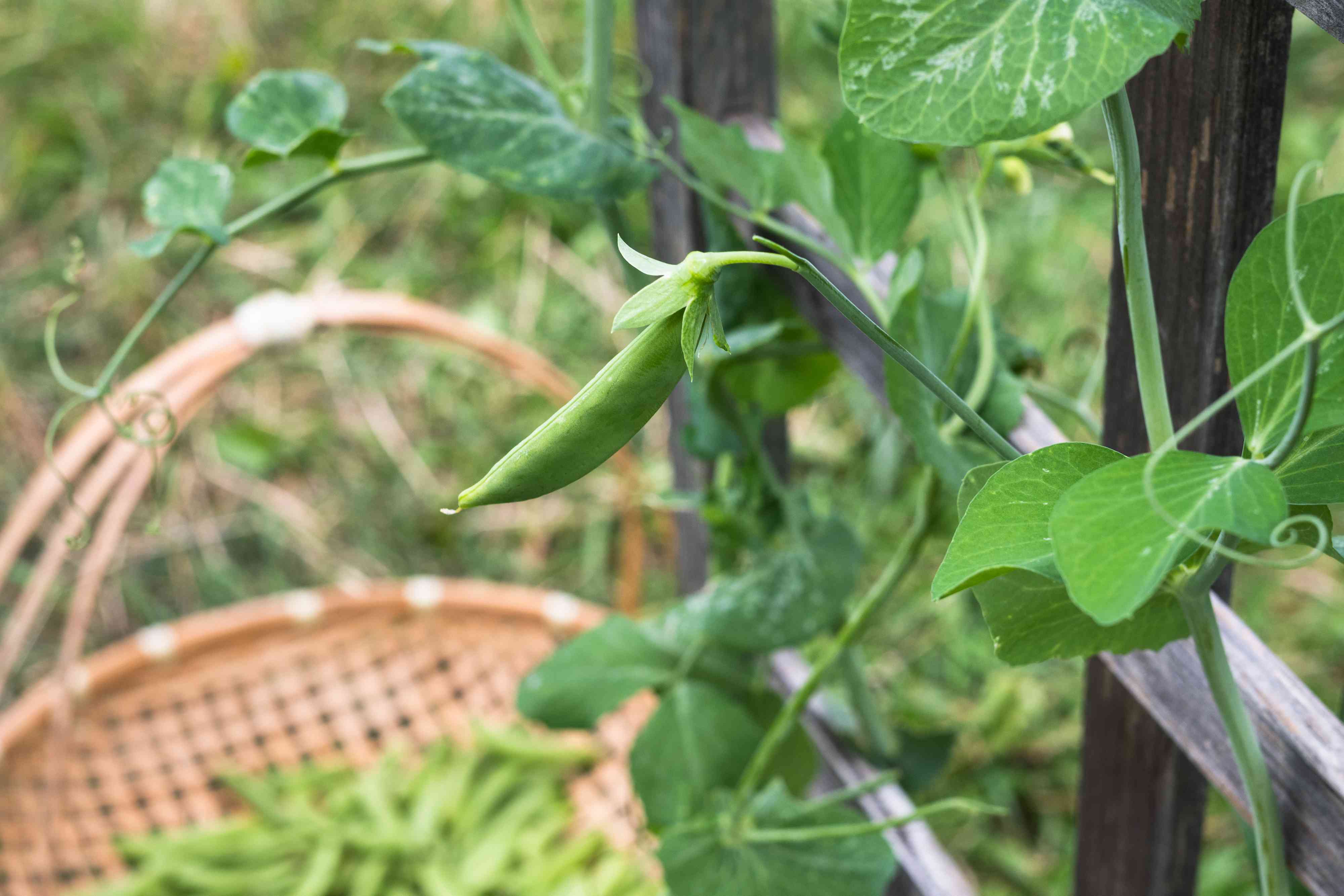
Embark on a Delicious Journey: Your Beginner's Guide to Planting Sugar Snap Peas for Success
There's an undeniable joy in harvesting fresh, crisp vegetables straight from your own garden. Among the most rewarding and surprisingly easy-to-grow options for beginners are sugar snap peas. These delightful, edible-podded peas offer a satisfying crunch and a burst of sweet flavor, making them a perfect addition to salads, stir-fries, or simply enjoyed raw as a healthy snack. If you've ever wondered how to bring this garden delight to your table, you're in the right place. This comprehensive guide will walk you through everything you need to know, ensuring your efforts in planting sugar snap peas lead to a bountiful and delicious harvest.
Understanding the basics of how sugar snap peas are planted is the first step towards success. Unlike some more demanding vegetables, sugar snap peas are remarkably forgiving, fast-growing, and incredibly productive, making them an ideal choice for new gardeners. They thrive in cooler temperatures and respond well to a little tender loving care, promising handfuls of sweet pods that taste infinitely better than anything from a grocery store.
Setting the Stage for Success: Site and Soil Preparation
Before you even think about sowing seeds, laying the groundwork for your sugar snap pea patch is crucial. The right location and well-prepared soil will make all the difference in your plants' health and yield.
Choosing the Ideal Location
- Sunny Spot: Sugar snap peas absolutely love the sun. Choose a location in your garden that receives at least 6-8 hours of direct sunlight each day. While they prefer cooler temperatures, ample sunlight is essential for strong growth and prolific pod production.
- Cool Temperament: Remember, these are cool-season crops. They thrive in mild spring and fall conditions and can struggle in intense summer heat, which might cause them to "bolt" (go to seed prematurely) or significantly reduce their yield.
- Protection: A location that offers some protection from strong winds can also be beneficial, especially for taller, vining varieties that might be more susceptible to damage.
Crafting the Perfect Soil Environment
Sugar snap peas are not overly fussy, but they perform best in soil that meets a few key criteria:
- Well-Draining Soil: This is paramount. Pea roots are susceptible to rot in waterlogged conditions. If you have heavy clay soil, now is the time to amend it.
- Rich in Organic Matter: Healthy soil equals healthy plants. Before sugar snap peas are planted, enrich your soil with plenty of organic matter like compost, well-rotted manure, or leaf mold. This not only improves drainage but also enhances fertility and soil structure.
- Optimal pH: Sugar snap peas prefer a slightly acidic to neutral pH, ideally between 6.0 and 7.5. You can test your soil's pH with a simple home kit. If adjustments are needed, add lime to raise pH or sulfur to lower it, always following product instructions.
To prepare your soil, start by clearing any weeds, rocks, or debris. Then, generously incorporate your chosen organic amendments, digging them in to a depth of about 8-12 inches. This creates a loose, fertile bed where pea roots can easily establish themselves. For a deeper dive into creating the perfect growing environment, check out our guide on Grow Sweet Sugar Snap Peas: Ideal Soil, Sowing, & Support.
Getting Started: Choosing Seeds and When to Plant
With your garden bed prepped, it's time for the exciting part: selecting your seeds and determining the best planting window.
Selecting High-Quality Seeds
Not all seeds are created equal. For a successful harvest, always choose high-quality seeds from a reputable supplier. Look for packages that indicate a high germination rate and are labeled specifically for "edible pod peas." Consider whether you want a bush variety (which needs less support) or a vining variety (which will produce more but requires a trellis). Always check the expiration date on the seed packet to ensure viability.
The Magic of Seed Pre-Treatment
- Soaking Seeds: To give your sugar snap peas a head start and encourage faster, more uniform germination, consider soaking your seeds overnight (no more than 12-24 hours) in lukewarm water before planting. This softens the tough outer seed coat, allowing moisture to penetrate more easily.
- Inoculation: For an extra boost, especially if peas haven't been grown in your garden recently, inoculate your seeds with rhizobia bacteria. This beneficial bacteria forms a symbiotic relationship with pea roots, helping the plants "fix" atmospheric nitrogen into a form they can use. This means healthier plants, better yields, and less need for external nitrogen fertilizer. Inoculant is readily available at most garden centers; simply moisten the seeds and toss them with the inoculant powder just before planting.
Timing Your Planting for Optimal Growth
Timing is everything when it comes to cool-season crops like sugar snap peas:
- Early Spring: The best time to plant is in early spring, as soon as the soil can be worked and is no longer waterlogged from winter thaw, typically 4-6 weeks before your last expected frost date. Peas can tolerate light frosts, but severe freezes can damage young seedlings.
- Late Summer/Early Fall: For a continuous harvest, or if your spring window was missed, sugar snap peas are planted again in late summer (about 6-8 weeks before your first fall frost) for a fall crop. Ensure temperatures will remain cool enough for them to mature.
- Direct Sowing vs. Indoors: While peas can be started indoors 4-6 weeks before the last frost to get a head start, they generally prefer to be direct-sown. Pea roots are sensitive to disturbance, and transplanting can sometimes set them back. However, starting indoors can be beneficial in areas with very short growing seasons or unpredictable spring weather. You can learn more about optimal timing and techniques in our article, Planting Sugar Snap Peas: Best Time & Techniques for Big Yields.
The Act of Planting: Sowing Seeds for Optimal Growth
Once your seeds are prepped and the timing is right, it's time to get your hands dirty and begin sowing.
Direct Sowing Your Sugar Snap Peas
- Create Furrows: In your prepared garden bed, use a trowel or the edge of a hoe to create shallow furrows about 1-2 inches deep. If you're planting multiple rows, space them 18-24 inches apart to allow for proper air circulation and easy access for harvesting and maintenance.
- Planting Depth and Spacing: Place your pre-soaked, inoculated seeds about 1-2 inches deep within the furrows. Space them approximately 2-3 inches apart. This might seem close, but it allows for good germination and supports the climbing nature of the peas.
- Cover and Water: Gently cover the seeds with about an inch of soil, lightly patting it down. Water the newly planted area thoroughly but gently to avoid dislodging the seeds. The soil should be consistently moist but never waterlogged.
Container Planting for Small Spaces
Don't have a large garden? No problem! Sugar snap peas are planted successfully in containers too. Choose a container that is at least 8-10 inches deep and wide, with good drainage holes. Use a high-quality potting mix rich in organic matter. Plant seeds at the same depth and spacing as you would in the ground, perhaps slightly closer if your container is very wide, but ensure adequate air circulation.
Providing Essential Support for Climbing Varieties
Most sugar snap pea varieties are climbers, and providing support is non-negotiable for a healthy, productive crop. Installing support *before* or immediately after planting is ideal, as it prevents disturbing delicate roots later on. Trellises, pea netting, stakes with string, or even bushy branches can serve as excellent climbing structures. This support lifts the plants off the ground, improving air circulation, reducing disease risk, and making harvesting much easier. Plus, watching them climb is a beautiful sight!
Nurturing Your Sugar Snap Peas to Harvest
Once your sugar snap peas are planted and starting to sprout, consistent care will ensure a continuous bounty.
- Consistent Watering: Peas require consistent moisture, especially during flowering and pod development. Aim for about an inch of water per week, either from rain or irrigation. Check the soil moisture regularly by sticking your finger an inch or two deep; if it feels dry, it's time to water. Mulching around the base of the plants can help retain soil moisture and suppress weeds.
- Judicious Fertilization: If you amended your soil with organic matter and inoculated your seeds, your peas might not need much additional fertilizer. However, if your soil is poor or plants show signs of nutrient deficiency (e.g., yellowing leaves), a balanced organic fertilizer can be applied. Avoid high-nitrogen fertilizers after initial growth, as this can encourage leafy growth at the expense of pods.
- Pest and Disease Watch: Keep an eye out for common pests like aphids, which can be dislodged with a strong spray of water or treated with insecticidal soap. Powdery mildew can sometimes appear in humid conditions; ensuring good air circulation and planting disease-resistant varieties can help. Rotate your crops each year to minimize soil-borne diseases.
- Harvesting for Abundance: Sugar snap peas are typically ready to harvest when the pods are plump, firm, and bright green. Don't wait until they look tough or wrinkled. Pick them regularly – every day or two – to encourage the plant to produce more pods. Gently snap or snip them from the vine, being careful not to damage the plant. Enjoy them immediately for the freshest, sweetest taste!
Conclusion
Planting sugar snap peas is one of the most rewarding gardening endeavors a beginner can undertake. With their fast growth, high productivity, and undeniably delicious flavor, they offer quick wins and a continuous supply of fresh, homegrown goodness. By selecting the right site, preparing your soil well, choosing quality seeds, providing adequate support, and offering consistent care, you're well on your way to success. So, roll up your sleeves, follow these simple steps, and prepare to enjoy the sweet, crunchy rewards of your very own sugar snap pea harvest!
